

Moving to the UK from Canada: Shipping Household Goods by Sea
How to send boxes of household goods from Canada to the UK by sea, with Transfer of Residence relief, the carrier's UK conditions and transit times from Toronto, Montreal and Vancouver.
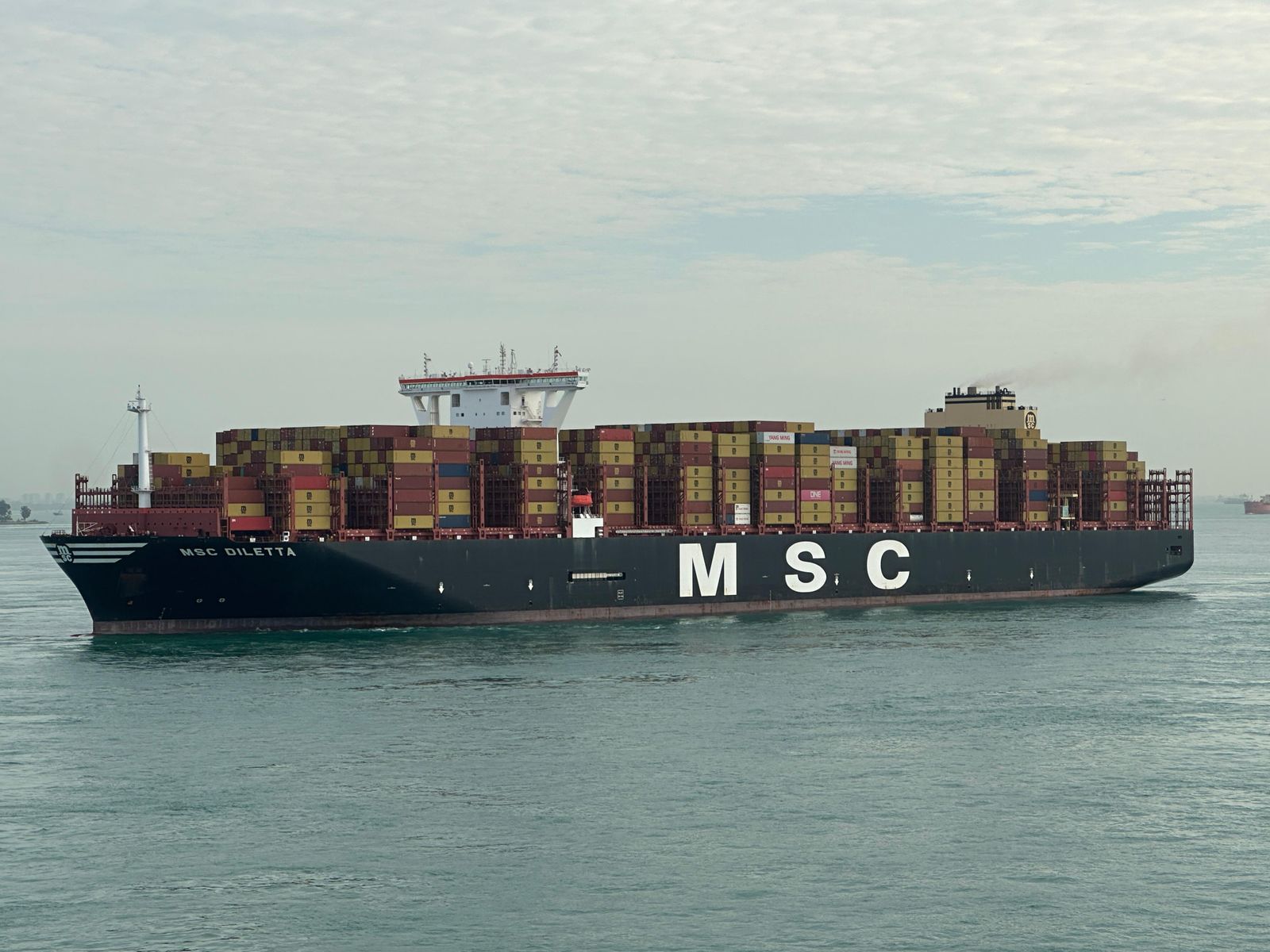
Moving to the UK from Canada rarely needs a whole container. If you are taking clothes, books, kitchenware, bedding and a few pieces of small furniture, shipping your household goods by sea in a shared container (LCL) is usually the practical choice. The two things that decide whether the move goes smoothly are the UK's Transfer of Residence (ToR) relief, which lets you bring your own belongings without paying import duty and VAT if you qualify, and the carrier's conditions for UK cargo. This article covers both.
Routes and transit times from Canada
A1 ships to the United Kingdom through two destinations in the carrier's tariff: Southampton, on the south coast of England, and Glasgow in Scotland. The carrier's transit estimates, counted from the port of loading, are:
- Southampton: about 15 days from Montreal, 18 days from Toronto and 29 days from Vancouver.
- Glasgow: about 21 days from Montreal or Toronto and 31 days from Vancouver.
Transit times are estimates of the carrier, not guarantees, and they do not include the time your cargo waits at the Canadian warehouse for the container to close, or customs clearance in the UK. If you live in the West, compare Vancouver with the road route to Montreal in the calculator: for the UK the eastern ports are usually faster. See the route pages for Toronto to Southampton and Montreal to Southampton.
What the carrier's tariff says about the UK
Every country in the tariff has its own conditions. For the United Kingdom they are:
- Customs clearance takes place in London.
- There is no terminal pickup service: the cargo is delivered to the receiver from the London CFS (container freight station).
- All wooden packaging must meet ISPM 15, the international standard for heat-treated wood.
- The tariff lists the receiver's EORI number among its requirements.
- Personal effects must have an application for Transfer of Residence to the UK, made through GOV.UK.
- For Scotland, the tariff says that personal effects rates are on inquiry and a ToR approval is required, with door service only for Edinburgh. If you are moving to Scotland, contact us before you book.
About the EORI number: GOV.UK says you do not need an EORI number if the goods you are moving are both not controlled and for personal use only. Tell us at booking whether the receiver has one; if not, we confirm with the carrier what it needs for your personal effects shipment.
Personal effects to the United Kingdom are accepted subject to carrier approval. Before you pay, the carrier reviews your signed packing list and the copy of the shipper's passport, and only then is the booking confirmed.
Transfer of Residence relief: who qualifies
Transfer of Residence relief lets you bring your personal belongings to Great Britain without paying import duty and VAT on them. According to GOV.UK, the main conditions are:
- You must have lived outside the UK for at least 12 consecutive months before your move.
- You must have owned and used the goods for at least 6 months before you move to the UK.
- The goods must be for the same use in the UK as before.
- You must import the goods within 12 months of coming to live in the UK. You may send more than one consignment.
- For 12 months after your move, the goods may not be lent, used as security, hired out or transferred to another person.
Some goods are never covered: alcohol, tobacco and tobacco products, commercial means of transport, and non-portable instruments for a trade or profession. Goods from a second or holiday home are also excluded. Restricted goods such as firearms still need their own licences. Students coming for full-time study, and people moving to marry or enter a civil partnership, follow different rules, explained on the same GOV.UK page.
How to apply
You apply online to HM Revenue and Customs with the ToR1 application (GOV.UK also calls it ToR01). GOV.UK says to apply before you move, and you need approval before you can rely on the relief. The application asks for:
- your passport photo page;
- proof of your new UK address, such as a bank statement, utility bill or rental agreement from the last 3 months, or, if you have no UK address yet, a statement from the person you will live with or evidence of temporary accommodation;
- proof of your address outside the UK from the last 6 months;
- a list of the goods. GOV.UK accepts a typed list, a spreadsheet or a photo of a handwritten list, and you can group items: "books" or "clothes" without naming each one.
When the application is approved, you receive a unique reference number. Give it to us with your documents, so that it can be passed to the agent who clears the shipment in London. The import declaration then uses customs procedure code 40 00 C01. Without a valid reference, GOV.UK warns that you may be billed for duties and administration charges, and if you do not qualify, duty and VAT must be paid before you can collect your belongings.
A tip: your A1 packing list and your ToR list should describe the same goods. Prepare the packing list first, box by box, and use it as the basis for the list you upload to HMRC.
Step by step with A1
- Get a price. Choose your Canadian city, United Kingdom and Southampton or Glasgow, and "Personal effects" on the quote page. Enter the size and weight of every packed piece.
- Apply for ToR. Start the HMRC application as soon as you know your move date, before the goods are shipped.
- Pack and palletize. All cargo must be crated or on heat-treated ISPM 15 pallets. A1 does not offer pickup or palletizing; the receiving warehouse can palletize your boxes for a separate fee that you arrange with it directly.
- Documents. Sign the packing list (online in the quote form or on our PDF form) and upload a copy of the shipper's valid passport. The name must match the shipper. The total customs value of the shipment may not exceed CAD 2,000.
- Price confirmed, payment. After the carrier accepts the shipment and confirms the destination charges, you pay freight and destination charges in Canada.
- Delivery to the warehouse. You receive the warehouse address, labels and the delivery deadline. Bring the cargo yourself or with a mover.
- Arrival. The cargo is cleared in London and delivered from the London CFS to the receiver.
What not to pack
A1 does not ship vehicles, food, plants, seeds, animals, medication, supplements, weapons, dangerous goods (aerosols, paint, fuel, loose batteries), cash or valuables. The UK has its own rules on food, plants and animal products; GOV.UK links to them from its page on moving belongings to the UK.
More about the destination on our United Kingdom shipping page.
Sources
- GOV.UK, Transfer of residence to the UK (conditions, excluded goods, reference number, CPC 40 00 C01).
- GOV.UK, Application for transfer of residence relief (ToR1) (online application and evidence).
- GOV.UK, Moving personal belongings to the UK.
- GOV.UK, Get an EORI number (when an EORI number is not needed).
- Carrier's export tariff, United Kingdom conditions and transit estimates, as used by the A1 quote calculator.
Tell us where your cargo needs to go.
Share the origin, destination and shipment details. We will review the route and reply by email.